In a nutshell
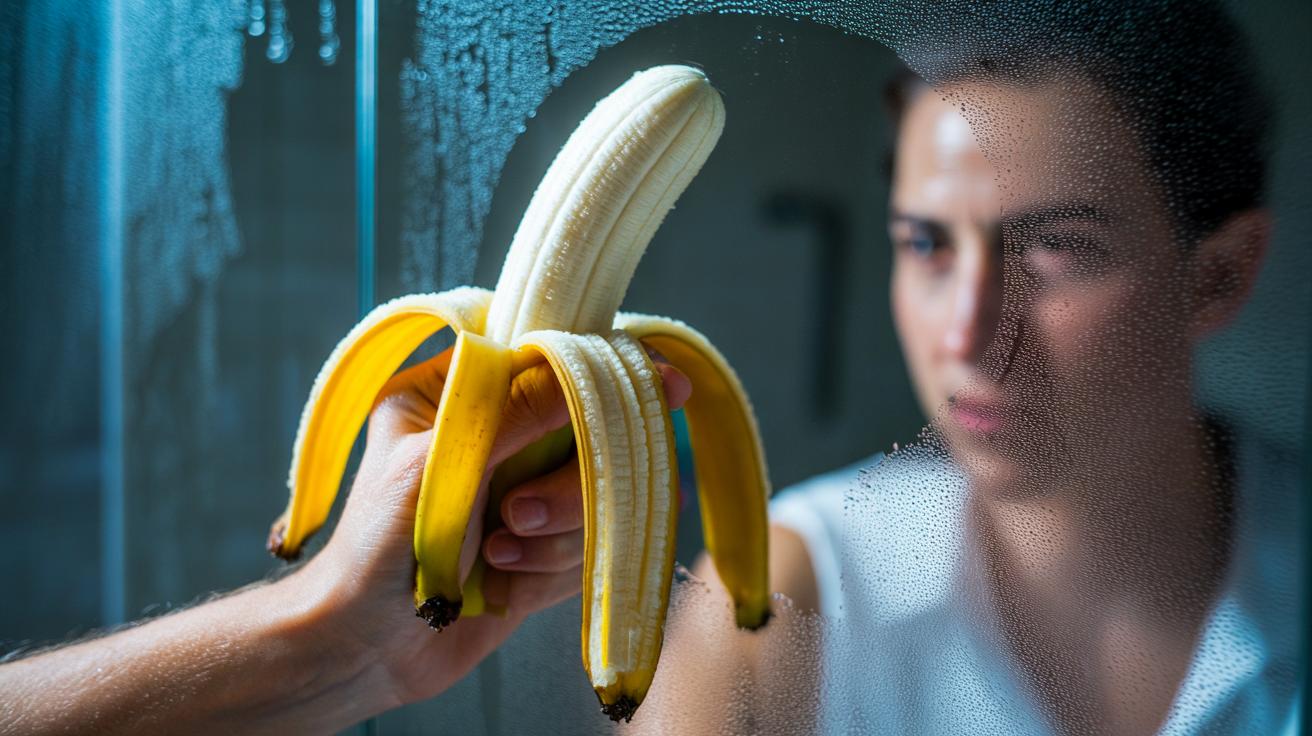
- 🍌 A banana peel’s natural oils and waxes lay a thin hydrophobic film that clears haze and resists fogging in seconds.
- ⏱️ Ten-second method: rub the inner peel for 3–4 seconds, then buff with a dry microfiber for 6–7 seconds; always test a small corner first.
- ⚗️ Science: fatty acids and wax esters raise the water contact angle, smoothing micro-grooves so droplets sheet instead of scatter light.
- 🛡️ Safety and caveats: avoid AR-coated lenses and screens with oleophobic layers; on car windscreens, ensure a streak-free finish to prevent glare.
- 🧼 Best-use surfaces: bathroom mirrors, plain windows, and uncoated glasses; reapply after heavy steam and always buff off sugary residues.
If your bathroom mirror fogs every morning or your glasses mist the moment you step out of the tube, there’s a curious fix hiding in your fruit bowl. A simple banana peel can clear hazy glass in seconds, laying down a whisper-thin film of natural oils that repel moisture and brighten clarity. It sounds like folklore. It isn’t. Those pale inner fibers carry waxes, fatty acids, and trace phytosterols that behave like a gentle polish. Rub lightly, buff briskly, see clearly. The trick works fast, costs nothing, and avoids harsh chemicals that can streak or sting. Here’s why the method is effective, how to do it safely in just 10 seconds, and where it shines—or should be skipped.
Why Banana Peel Oil Cuts Through Fog
Fog is simply micro-droplets clinging to tiny imperfections on glass. The inside of a banana peel contains a cocktail of natural lipids and soft waxes that spread into those micro-grooves, smoothing the surface so water can’t bead into a cloudy film. Think of it as a biodegradable, ultra-thin hydrophobic layer. It doesn’t just displace moisture; it changes how droplets form, pushing them to sheet and slide away rather than scatter light. Less scattering means more clarity, immediately. You’re not resurfacing the pane; you’re coaxing water to behave better.
These peel oils are mild compared with silicone polishes, which can smear or attract dust. The peel’s fatty acids—notably palmitic and linoleic—bind loosely to glass, while residual pectin and sugars help the film spread before you buff them off. Done right, the result is a clean, bright pane with a faintly slick finish that resists misting for several hours. The critical step is the buff: thorough, quick, and dry. Leave sugars behind and you’ll swap fog for streaks. Remove them, and you get a clear, low-glare shine.
Ten-Second Method: Step-By-Step
Start with a clean surface. Dust and grit are enemies of a flawless finish; they’ll scratch and smear. If needed, wipe the glass with water and a drop of mild soap, then dry. Take a fresh piece of banana peel, white side out. Swipe it across a small test corner first. If the pane passes—no smears, no odd hues—proceed. Rub with light, even pressure for three or four seconds. You’ll see a faint haze. That’s the useful film. Then switch to a microfiber cloth and buff for another 6–7 seconds until the glow snaps into clarity. The clock-to-clear routine takes roughly 10 seconds per hand-sized area.
A few cautions sharpen the result. Avoid anti-reflective coated lenses or specialty films; oils can alter their performance. For car windscreens, treat only interior glass you can buff to perfection—night glare is a real risk if residue remains. Rinse the peel briefly if it’s sticky; you want the oil, not pools of sugar. Work in small sections and keep the cloth dry. If a smear appears, buff longer rather than pressing harder. Hard pressure spreads sugars; quick strokes lift them. Done correctly, the finish is clean, crisp, and convincingly fog-resistant.
Science Behind the Shine
Fog forms when warm, moist air hits a cooler surface and condenses. On rough glass, droplets nucleate quickly, scatter light, and turn your world milky. The peel’s wax esters and fatty acids increase the surface’s water contact angle, nudging droplets to merge and run instead of perching as diffusion-prone beads. Change the contact angle and you change the clarity. There’s also a polishing effect: lipids flow into microscopic pits, reducing the optical “noise” that makes a pane look tired even when clean.
Why the hard insistence on buffing? Because peel juice contains sugars and starches that are hydrophilic. If left behind, they invite moisture and dust—precisely what you’re trying to banish. The buff removes those polar residues, leaving mostly nonpolar oils that repel water. The film is thin, temporary, and easy to refresh. It won’t fix scratches or replace a proper anti-fog coating, but as a fast, natural intervention it’s impressive. Think of it as a micro-wax for emergencies and everyday convenience.
Where It Works—and When It Doesn’t
As with any hack, context is everything. Bathroom mirrors, interior windows, and plain drinking glasses respond brilliantly. Shower screens benefit too, especially where steam lingers. Eyeglasses can be a mixed bag: uncoated lenses handle the trick, but anti-reflective or blue-light coatings may protest with rainbowing or reduced effectiveness. Phone and tablet screens? Skip them; most have oleophobic coatings that the peel film will undermine. For cars, interior side windows are fine with thorough buffing; windscreens require careful testing and absolutely streak-free finishing to avoid nighttime glare.
| Surface | Expected Result | Buffing Time | Caveats |
|---|---|---|---|
| Bathroom mirror | Fast de-fog, bright sheen | 10–15 seconds | Reapply after heavy steam |
| Plain window glass | Clear, reduced misting | 10–20 seconds | Work in small sections |
| Eyeglasses (uncoated) | Good, temporary anti-fog | 8–12 seconds | Test first; avoid nose pads |
| AR-coated lenses | Unreliable, possible rainbowing | — | Best avoided |
| Car windscreen (interior) | Conditional clarity | 15–25 seconds | Absolutely no streaks; glare risk |
| Phone/tablet screens | Poor | — | Conflicts with oleophobic layer |
Done with care, a banana peel is an elegant, low-waste way to polish glass and beat fog when you’re in a hurry. The chemistry is simple, the effect is visible, and the technique is forgiving once you master the brisk, dry buff that removes sticky residues while leaving a hydrophobic whisper behind. It’s a tiny intervention with outsized convenience. Will you keep a peel handy by the bathroom sink, or try a side-by-side test against your usual spray to see which finish you actually prefer on a humid morning?
Did you like it?4.7/5 (20)