In a nutshell
- 🔬 The science: cationic surfactants and micelles in a dryer sheet disrupt bonds in baked-on grease; warm water boosts action and the sheet adds gentle abrasion, delivering visible softening in about 2 minutes.
- ⏱️ Quick method: dampen a dryer sheet, add a drop of dish soap, press on grime, wait two minutes, then wipe and fold to a clean face; finish with a thorough rinse until surfaces feel “squeaky clean.”
- ⚠️ Safety first: work on a cool oven, ventilate, wear gloves if sensitive, avoid catalytic liners and hot elements, never mix with bleach or ammonia, and spot-test aluminium trays.
- 📊 Smarter choice: compared with caustic sprays and baking soda paste, the dryer sheet is faster, lower odour, and low effort—ideal for routine maintenance, while heavy, carbonised build-up still needs longer soaks or paste.
- 💡 Pro tips: pre-steam the cavity, lay sheets flat on door glass for a peel-away lift, pat on vertical walls, and remember moisture + contact time beats muscle—store sheets in the kitchen for same-day splatter control.
UK households have a new secret weapon against baked-on grease, and it probably lives in your laundry cupboard. A single dryer sheet, dampened and deployed cleverly, can soften stubborn oven grime so fast it feels like a hack. It’s not magic. It’s chemistry, delivered on a sheet of nonwoven fabric that behaves like a gentle scouring pad. In as little as two minutes, residues begin to loosen, slide, and surrender. That quick visual change is the tell. The result is less elbow grease, fewer harsh chemicals, and a job that once ruined weekends reduced to a coffee-break chore.
The Science Behind the Dryer Sheet Trick
What’s happening on the metal and glass isn’t a fad; it’s the quiet work of cationic surfactants and softening agents coating the sheet. These positively charged molecules attach to negatively charged particles in baked-on grease and carbonized film, interrupting their hold on enamel and glass. Add warm water and a drop of dish soap, and you create micelles that lift oily residues into suspension. The sheet itself adds mild mechanical action, acting like a gentle scrub medium that won’t gouge the surface. In around two minutes you’ll see glossy wet patches where the bond has given way, a visible sign the chemistry has started to win.
Heat matters too, but not from the oven. Use warm water. The temperature boosts molecular movement, helping those surfactants slip under the residue. Humectants in many sheets keep the area moist, stopping the dreaded re-bake that can happen if cleaner dries mid-task. The payoff is speed. Short contact time, rapid softening, and low effort. For heavier stains, extend the soak, but for everyday splatters the fast break-down is the headline act.
A Step-by-Step Method That Works in Minutes
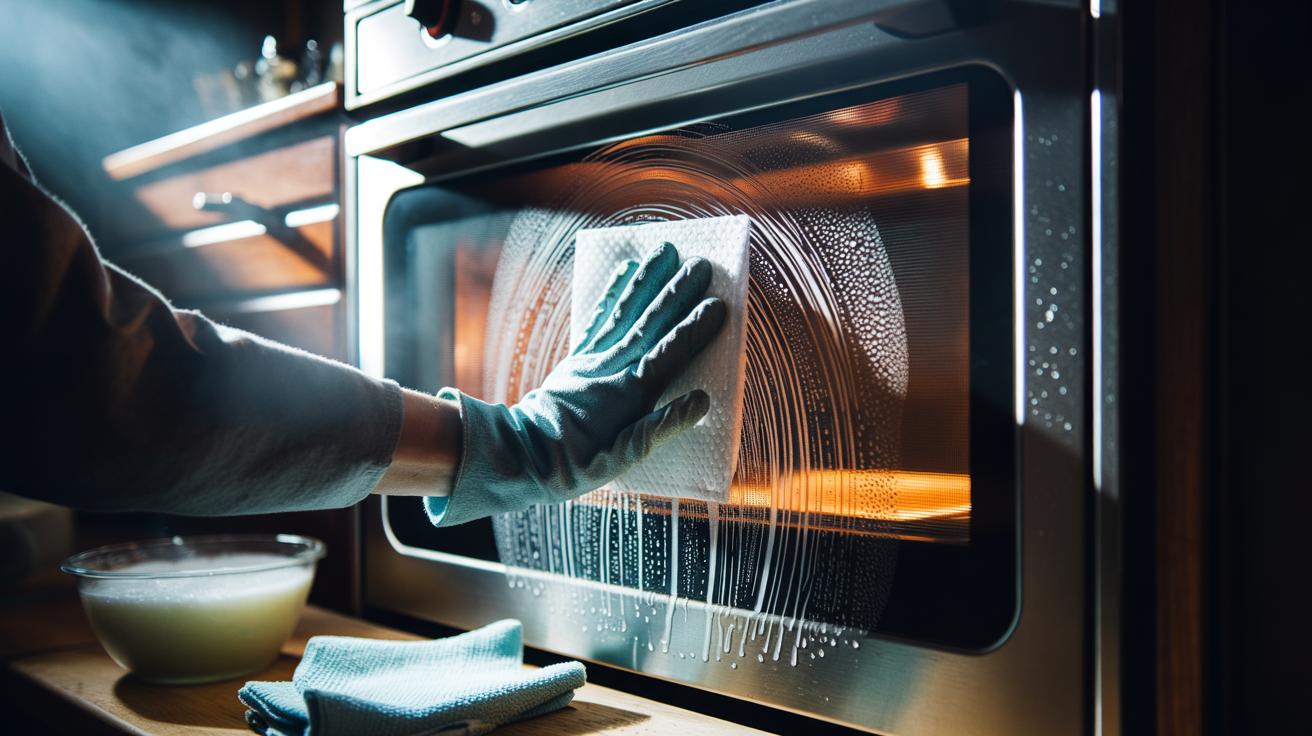
Start with a cool, switched-off oven. Remove racks for better access. Lightly wet a dryer sheet with warm water, then add one small drop of dish soap. Squeeze once to spread the solution through the fibers—damp, not dripping. Press the sheet flat onto greasy patches on the oven door or enamel walls. Set a timer for two minutes for light grime; you’ll often see brown staining bloom into the water film as bonds loosen.
Lift and wipe using the same sheet, folding to a clean face as you go. For stubborn corners, re-wet the sheet and hold it in place for five to ten minutes. Switch to a soft sponge for a final pass. Rinse thoroughly with clean water and a microfiber cloth to remove fragrance oils and softener residue. Always finish with a rinse until the surface feels squeaky clean—that’s your cue it’s food-safe again.
Safety matters: wear light gloves if you have sensitive skin, ventilate, and keep the product away from heating elements and catalytic liners. Never apply to a hot oven or energized elements. Avoid mixing with bleach or ammonia-based cleaners. For chrome racks, the method is gentle; for aluminum trays, test a small spot first to rule out staining.
What You Need and How It Compares
This method earns points for speed, smell, and simplicity. Here’s a quick snapshot of how the dryer sheet trick stacks up against common alternatives for everyday oven cleaning.
| Method | Time to Loosen Grime | Smell | Scrubbing Effort | Cost per Clean | Residue Risk |
|---|---|---|---|---|---|
| Dryer Sheet + Warm Water | ~2–10 minutes | Mild, laundry-like | Low | Very low | Moderate (rinse well) |
| Caustic Oven Spray | 10–30 minutes | Harsh chemical | Low–medium | Medium | High if not rinsed |
| Baking Soda Paste | 20–60 minutes | Neutral | Medium | Very low | Low |
Use the sheet for routine splatters and door glass haze, where fast softening beats heavy scrubbing. For deep, polymerised carbon after months of neglect, you may still need a longer soak or a traditional paste. But for regular maintenance, the laundry-aisle option is remarkably efficient, less smelly than caustics, and kinder on enamel.
Smart Tips, Caveats, and When to Skip It
Target areas strategically. Lay the dryer sheet flat across the oven door’s interior glass to soften that classic amber film, then lift in one slow peel to drag residue with it. For vertical walls, press and pat rather than swipe so the solution clings. If build-up is heavy, pre-steam: place a heatproof bowl of hot water in the cool oven for five minutes, then apply the sheet. Moisture is the accelerator here.
Do not rely on this method for charred, flaking carbon. That needs time and mechanical removal. Avoid catalytic liners; keep to enamel and glass. Rinse thoroughly to remove softening agents and perfumes, then dry with a microfiber cloth to prevent streaks. Store a few sheets in the kitchen for spill emergencies—catching splatter the same day slashes work later. If you can see it, you can soften it early. The trick shines as a maintenance tool, not a miracle cure for a year of roast nights.
In a world of overpowered cleaners and underwhelming results, the humble dryer sheet feels like a clever rebellion: quick chemistry, minimal mess, reliable shine. Used with warm water, a drop of soap, and a two-minute pause, it breaks the back of everyday grime without the throat-stinging fumes. The secret is contact time, not muscle. Keep it simple, keep it safe, rinse well, and enjoy the clarity of clean glass and enamel that actually gleam. Ready to give your oven door its easiest refresh yet—and what other unlikely household staples would you test next in your cleaning arsenal?
Did you like it?4.2/5 (25)