In a nutshell
- 🧪 Why it works: Aluminium foil, kept wet, forms a fine aluminium oxide polish and triggers mild galvanic action with water or vinegar, lifting light rust on chrome without gouging.
- ⏱️ Quick method: Crumple foil shiny side out, dip in water or vinegar, glide with light pressure, then wipe, rinse, and dry; expect a bright result in about 1 minute per area—and keep it wet throughout.
- 🛡️ Tips and safety: Use gentle pressure, warm water for speed, spot-soak stubborn flecks, and test first on an inconspicuous area; avoid painted finishes, wear gloves with vinegar, and ventilate indoors.
- 📊 When to switch methods: Compare foil with #0000 steel wool, non-scratch pads, or commercial removers for severity, finish risk, and cost; pick the least invasive option for collectible or delicate parts.
- 🚫 Limits to expect: Foil won’t fix deep pitting, flaking chrome, or structural corrosion; follow the grain on brushed stainless and remember it’s a quick fix, not a cure‑all.
It sounds improbable, yet it works: a scrunched ball of ordinary kitchen aluminium foil can lift light rust and restore a bright sheen to chrome in about a minute. The trick isn’t brute force; it’s clever chemistry and gentle abrasion. For cyclists buffing a weathered wheel rim, motorists reviving a pitted exhaust tip, or landlords freshening tired bathroom fittings, this quick fix can be a tidy money-saver. Used with water or a splash of vinegar, foil becomes both a mild polish and a rust loosener. Handle lightly, let the chemistry do the heavy lifting. Here’s how to make metal shine again, fast.
Why Foil Works on Rust
Aluminium foil is softer than steel and chrome, so it won’t gouge intact plating the way harsher abrasives can. When dampened, the foil develops a thin layer of aluminium oxide that behaves like a super-fine polishing compound. That microscopic slurry glides over the surface, knocking back oxidised iron without scouring the base metal. At the same time, aluminium and iron form a mild galvanic pair in the presence of an electrolyte such as water, cola, or diluted vinegar; this helps loosen rust’s grip. The result is a quick, controlled clean that often reveals a surprisingly intact finish beneath.
The magic shows on chrome-plated parts: mirror caps, shower rails, wheel rims, and vintage trim. Light freckles vanish. Faded gloss returns. Used correctly, it can work in under a minute per area. Do not assume it’s universal. Brushed stainless and delicate coatings can mark if you press too hard or rub dry. Always keep the surface wet, and let the foil glide. This is restoration, not sanding. For heavy pitting or flaking, expect improvement, not perfection.
What You Need and Quick Steps
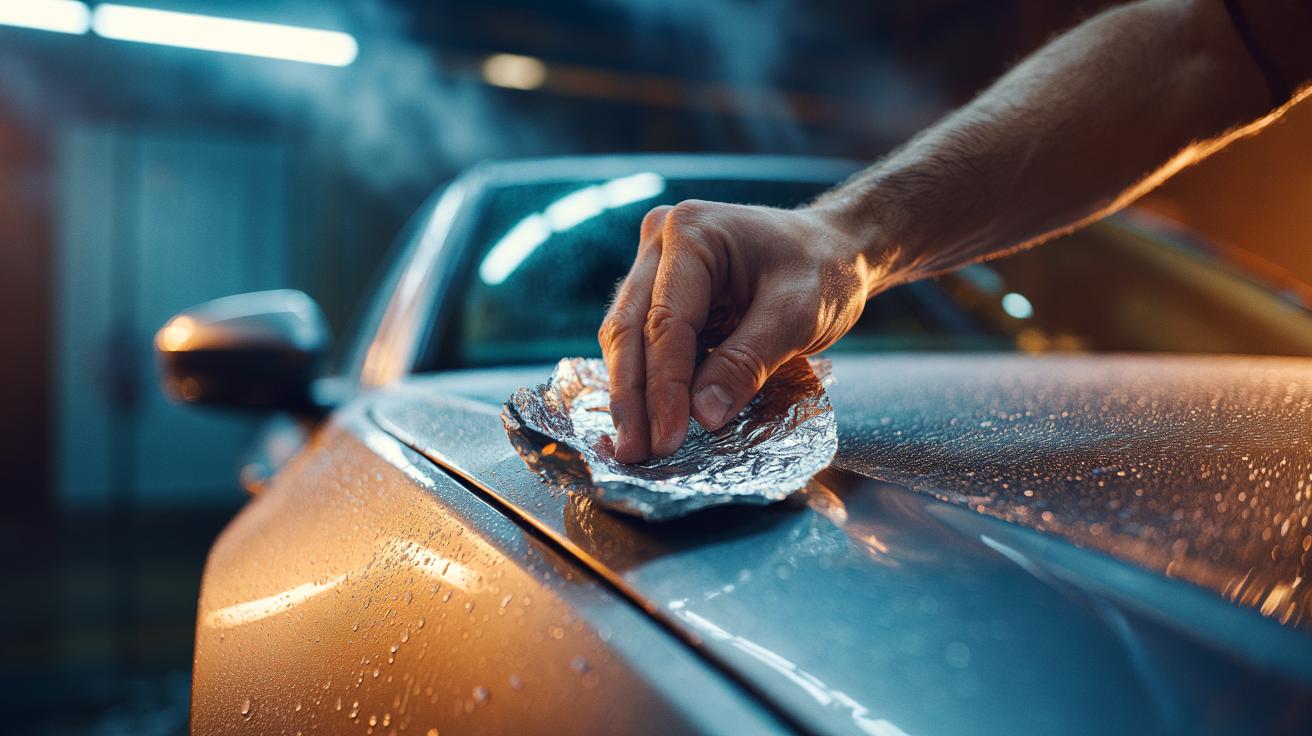
You need little: a square of kitchen aluminium foil, a bowl of water (warm works best) or white vinegar, and a clean microfibre cloth for the final wipe. Optional extras—cola for its phosphoric acid, a drop of washing-up liquid to help lift grime, and a dab of wax to seal the shine—can all boost the finish. The method is simple. Crumple the foil into a loose ball, shiny side out. Dip it. Keep everything wet. Then glide over the rusted patches with light, even pressure, working in small circles. You’ll feel the surface become smoother as the oxide breaks down.
Pause and wipe. Inspect the patch in good light. Repeat only where the stain persists. On chrome, you’ll often see brownish residue dissolve into a greyish polish—evidence that the foil’s aluminium oxide is doing its job. Finish by rinsing and drying thoroughly to prevent flash rust. Important: Always test on an inconspicuous spot first. If the finish looks streaky, switch to vinegar for one pass, then neutralise with water and dry. Apply a thin wax or light oil to protect the fresh surface. One small section, one minute, tidy gleam.
Tips, Troubleshooting, and Safety
Pressure is the pitfall. If you lean in, you’ll dull the finish; if you barely touch, the chemistry has time to work. Aim for confident, gentle strokes. Warm water accelerates the process, while a teaspoon of vinegar in the bowl adds bite for stubborn specks. For bathroom fittings, pre-clean soap scum so the foil reaches the rust. On car parts, remove road tar first; contamination can scratch. If a patch resists, hold the damp foil against it for 10 seconds to soften the oxide, then resume gliding.
Know your limits. Deep pitting won’t vanish, but edges can soften and shine can return. Avoid painted metal unless you intend to polish through. Be cautious on brushed stainless: the technique can work if you follow the grain with ultra-light pressure, but it can also blur the texture. When in doubt, stop and reassess. Wear thin gloves if you’re using vinegar, and ventilate indoor spaces. After cleaning, lock in the result with a protective layer: furniture wax on interior chrome; a sealant or light oil on tools and garden gear. That barrier slows the next bloom of rust.
When to Use Something Else
Foil is brilliant for quick wins, especially on chrome. Yet it isn’t the only tool. Fine-grade steel wool (#0000), non-scratch pads, and dedicated rust removers each have a place. The right pick depends on the finish, the severity of corrosion, and how much original surface you can afford to lose. A simple comparison helps you decide, particularly when working on valuable classics or delicate bathroom fittings where preservation matters more than raw speed.
| Method | Best For | Typical Time | Finish Risk | Approx. Cost (UK) |
|---|---|---|---|---|
| Aluminium Foil + Water/Vinegar | Light rust on chrome-plated parts | 1–3 minutes per area | Low if kept wet | £0–£2 (household) |
| Steel Wool #0000 | Heavier rust on durable steel | 3–10 minutes | Medium; can haze chrome | £3–£5 |
| Non-scratch Pad | Stainless sinks, tools | 2–8 minutes | Low–Medium; follow grain | £2–£4 |
| Commercial Rust Remover | Severe rust, pitted steel | 10–60 minutes (soak) | Varies; read label | £6–£15 |
If a part is collectible or critical—say, a classic badge or a delicate tap—lean towards the least invasive fix first. Preserve what you have. If the chrome is flaking, foil will smooth the edges but cannot rebuild plating; consider professional re-chroming. On structural parts, prioritise integrity over shine and assess whether corrosion has compromised strength. The fast foil trick is a tool, not a cure-all. Pick the method that respects the metal and your finish.
Aluminium foil earns its place in the toolkit because it’s quick, cheap, and unexpectedly effective on light rust. It polishes gently while the chemistry loosens oxidation, often revealing intact chrome in well under a minute per spot. Used wet and with a careful hand, it beats harsh scrubbing and avoids the fuss of long soaks. Dry thoroughly and protect the finish to keep the gleam. If you’ve got a rusty rail or a speckled rim begging for attention, why not put the kettle on, grab some foil, and try it today—what surface will you transform first?
Did you like it?4.4/5 (26)